LANScientific analyzers: TrueX XRF for PMI and LIBS for carbon.
Handheld instruments distributed in Italy by PITECH for material analysis: the TrueX XRF series identifies alloys non-destructively (Positive Material Identification), while the LIBS 820C/830C series measures carbon and light elements, distinguishing L grades such as 304/304L. Two complementary technologies, one partner.
Manufacturer: LANScientificLANScientific Co., Ltd — represented and distributed in Italy by PITECH Industrial Solution
LANScientific manufactures handheld analyzers for material analysis. The TrueX XRF series is the choice for Positive Material Identification (PMI): fast, non-destructive alloy identification across a wide element range. The LIBS series adds what XRF cannot do — carbon measurement — and is decisive when you must distinguish grades that differ only in C content. PITECH supports the choice between TrueX XRF and LIBS based on the real application, with technical-commercial support in Italy.
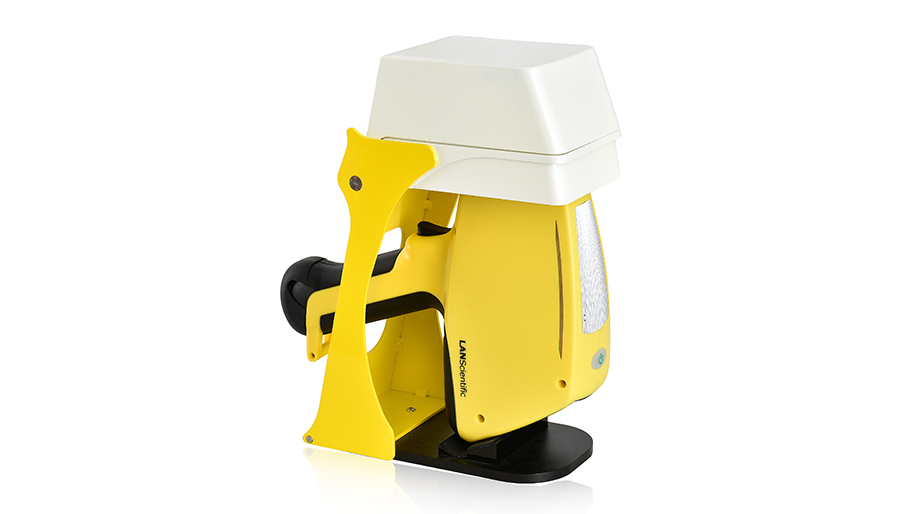
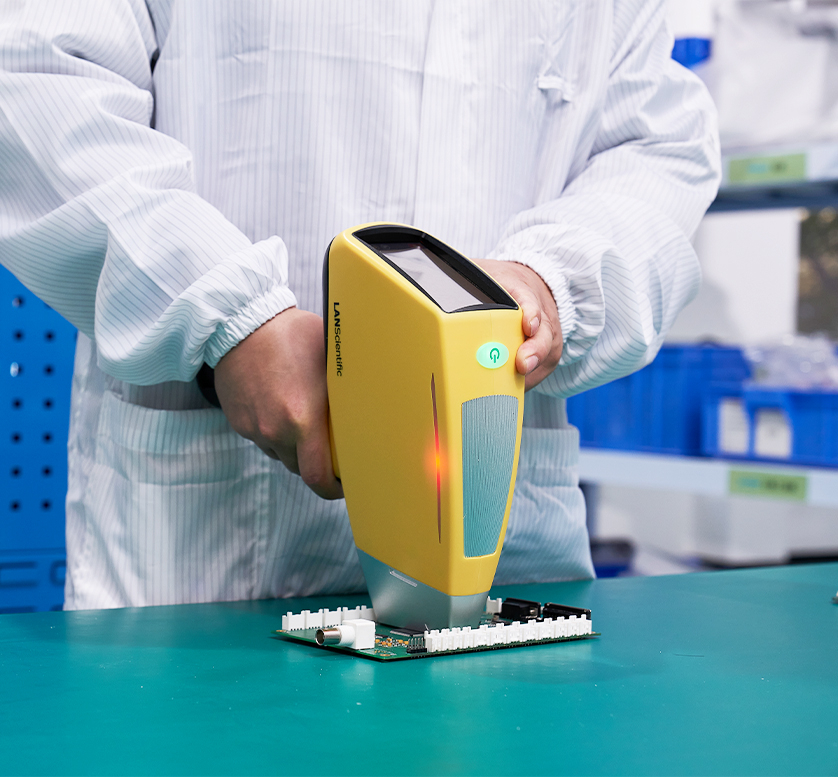
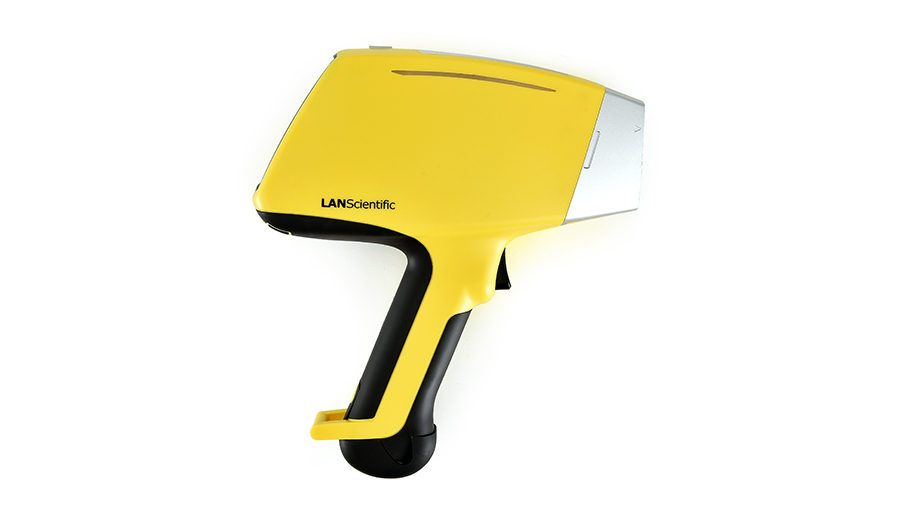
The TrueX series identifies alloys non-destructively in seconds. The TrueX 800 features a Si-PIN BOOST detector, the TrueX 860 a high-sensitivity SDD detector with Peltier cooling (no liquid nitrogen). DoubleBeam technology improves radiation safety. Suitable for PMI, material control, precious metals and RoHS compliance.
LANScientific LIBS 820C / 830C — carbon measurement on site
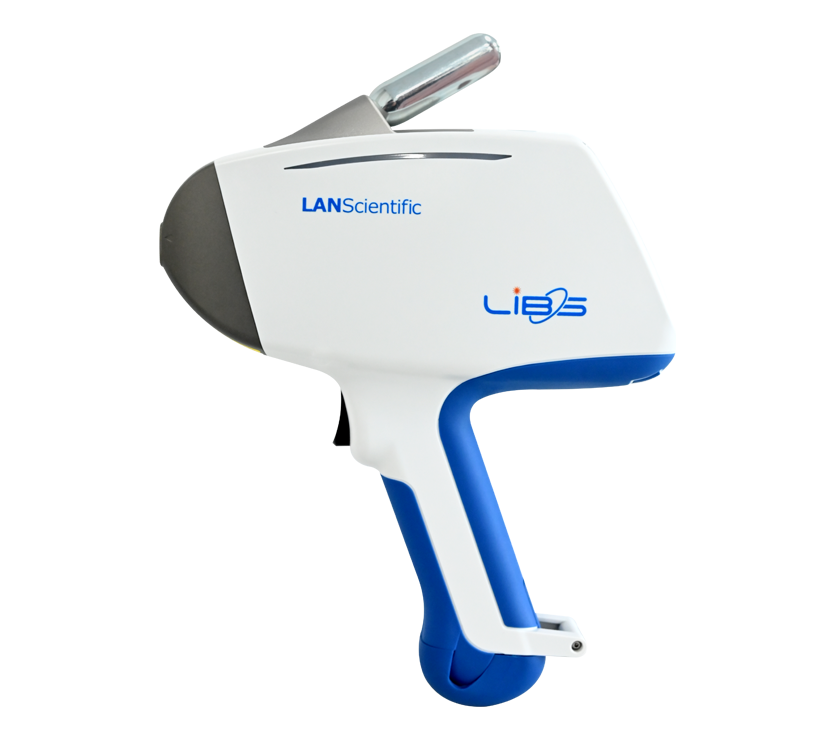
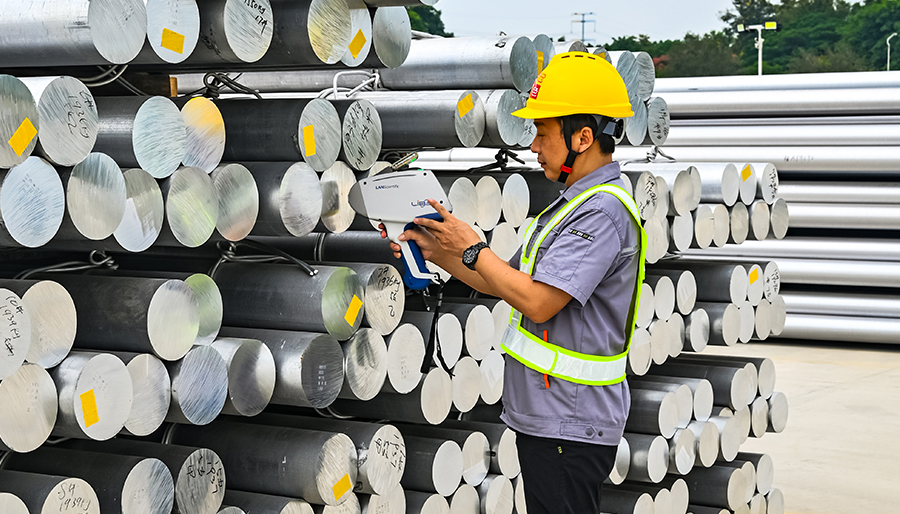
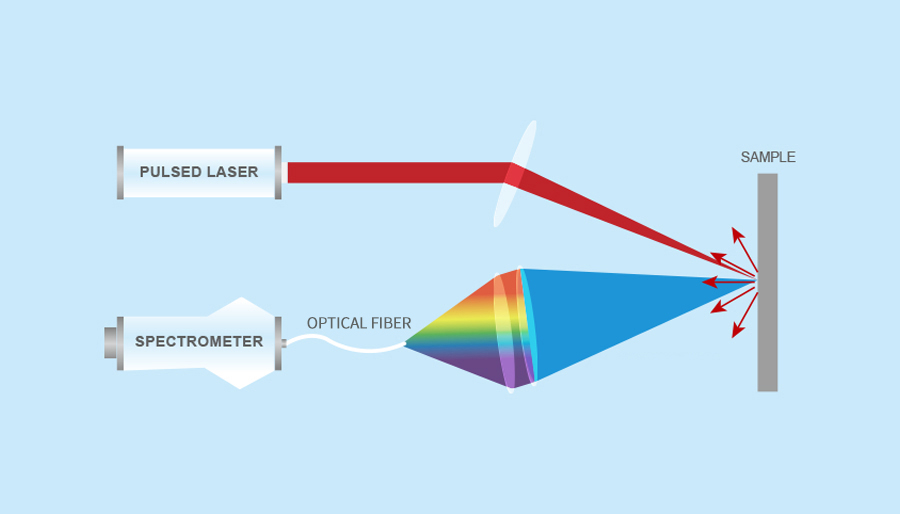
LIBS (Laser-Induced Breakdown Spectroscopy) determines light elements and, above all, carbon, which XRF cannot detect. The LIBS 820C targets low and medium alloy steels, the LIBS 830C stainless steels with a carbon detection limit down to 0.01%: it distinguishes the L grades (304/304L, 316/316L) in the field. Result in 3 seconds, micro-destructive with argon gas protection.
Weight / runtime: 1.7 kg with battery / about 8 h per set
Display / storage: 4.3" touch / 32 GB
Operating temperature: 0–40 °C
LIBS in the field: verification on metal semi-finished productsHandheld LIBS for carbon measurement
LIBS models: 820C (low/medium alloy steels), 830C (stainless steels, C down to 0.01%).
Identified materials
Metals and alloys LANScientific analyzers recognise.
Between TrueX XRF and LIBS, LANScientific analyzers cover a wide range of industrial metals and alloys, supporting quality control, supplier verification and material traceability — including carbon measurement.
Steels
Stainless steels of the 200/300/400 series, carbon and low-alloy steels, tool steels — with LIBS also carbon determination.
L grades and welds
Distinction of L grades (304/304L, 316/316L) with the LIBS 830C, to prevent sensitization and intergranular corrosion in welds.
Nickel and cobalt alloys
Nickel alloys and superalloys, cobalt alloys: grade identification for critical, high-temperature assets.
Titanium and aluminium
Titanium, aluminium and magnesium alloys, with light-element coverage across TrueX XRF and LIBS.
Copper, brasses and bronzes
Copper, brasses and bronzes, zinc: composition verification for foundry, metalwork and recycling.
Precious metals and ferroalloys
Precious-metal identification with the TrueX XRF, ferroalloys and filler materials for consumables and semi-finished products.
XRF (TrueX series) determines the elemental composition non-destructively, but does not measure carbon (C): grades that differ only in carbon content — for example 304 and 304L or 316 and 316L — cannot be distinguished with XRF alone. The LIBS 830C fills exactly this gap, measuring carbon down to 0.01% and letting you separate the L grades directly in the field. Using both techniques together gives full PMI and carbon verification from a single supplier. PITECH helps define the right method for the required control.
Overview of the models to guide the choice between XRF (PMI) and LIBS (carbon). Price is on request: PITECH prepares an evaluation tailored to the real application.
Model
Technique
Elements / carbon
Notes
TrueX 800
Handheld XRF
Mg (Z12) → U (Z92)
Si-PIN BOOST detector, PMI and alloy ID
TrueX 860
Handheld XRF
Mg (Z12) → U (Z92)
High-sensitivity SDD, Peltier, low LODs
LIBS 820C
Handheld LIBS
C down to 0.1% + light elements
Low/medium alloy steels, result in 3 s
LIBS 830C
Handheld LIBS
C down to 0.01% + light elements
Stainless steels, distinguishes L grades (304/304L)
The optimal configuration (XRF or LIBS technique, elements of interest, accessories and options) must be defined on the real materials, elements to control and objective. Official documentation: en.lanscientific.com.
FAQ
Frequently asked questions about LANScientific analyzers
What is the difference between the TrueX XRF series and LIBS?
The TrueX series is handheld XRF for Positive Material Identification: it identifies alloys non-destructively across the Mg–U range, ideal for PMI, precious metals and RoHS. The LIBS series (820C/830C) uses laser-induced breakdown spectroscopy to measure light elements and, above all, carbon (C), which XRF cannot detect: it is needed when you must distinguish L grades such as 304/304L or 316/316L.
Does LANScientific LIBS really measure carbon?
Yes. The LIBS 820C has a carbon detection limit of 0.1% (low and medium alloy steels), the LIBS 830C of 0.01% (stainless steels). This allows the L grades, which differ only in carbon content, to be distinguished on site — something not possible with XRF alone.
Is LIBS measurement destructive?
It is micro-destructive: laser ablation leaves a minimal mark on the sample surface, practically invisible to the naked eye. Argon gas protection improves signal quality. The TrueX XRF, by contrast, is fully non-destructive.
Which materials do LANScientific analyzers identify?
Stainless and carbon steels, low-alloy and tool steels, nickel, titanium, cobalt, aluminium, magnesium, copper (brasses and bronzes), zinc and ferroalloys. The TrueX series covers the Mg–U range for PMI and precious metals; LIBS adds carbon and light-element determination.
How do I request a quote for a LANScientific analyzer?
State the materials and alloys to control, whether you need to measure carbon or distinguish L grades, the elements of interest, the operating environment and volumes. PITECH, which distributes LANScientific in Italy, guides the choice between TrueX XRF and LIBS 820C/830C and prepares the evaluation. Use the form below, WhatsApp or email.
Application support
Technical support, installation and training.
Beyond the choice between TrueX XRF and LIBS and the configuration, PITECH supports the customer in defining the application project (PMI and/or carbon) and coordinating the following steps with the manufacturer.
Solution configuration
Choice between TrueX XRF and LIBS 820C/830C, elements of interest, accessories and options based on the application.
Start-up and installation
Coordination of commissioning, initial trials and integration into the material-control and quality workflow.
Operator training and safety
Usage training, safety best practices for the X-ray source and the LIBS laser, and connection with LANScientific for service and spare parts.
Contact
Request an evaluation or a quote for a LANScientific analyzer.
If you need to buy or evaluate an XRF analyzer for PMI or a LIBS for carbon, PITECH Industrial Solution — LANScientific distributor in Italy — can help clarify the requirement, choose between TrueX and LIBS and turn the choice into an industrial project.
Application request
Tell us about the application to evaluate.
Send a request with the materials and alloys to control, whether you need to measure carbon or distinguish L grades, elements of interest and operating environment.
Newsletter
Subscribe for industrial technology updates.
Updates on XRF/PMI and LIBS material analysis, RVI inspection, industrial automation, robotics and software solutions for more efficient and digital production processes.