Material Analysis • XRF • PMI

XRF and PMI for material analysis, alloy identification and quality control.

Portable solutions for material analysis, alloy identification, incoming inspection, positive material identification, supplier verification and industrial traceability.

XRF / PMI

Solution and application configuration.

A dedicated technology page focused on industrial application, selection criteria and PITECH technical-commercial support.

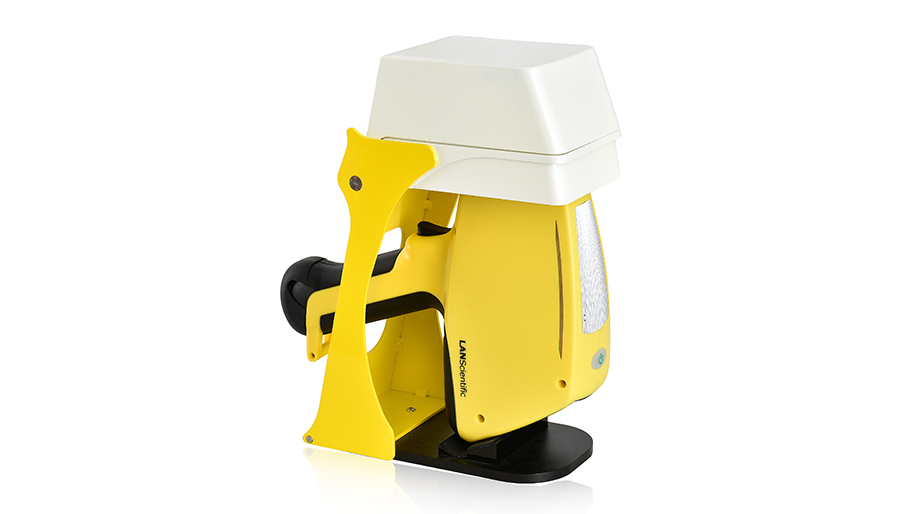
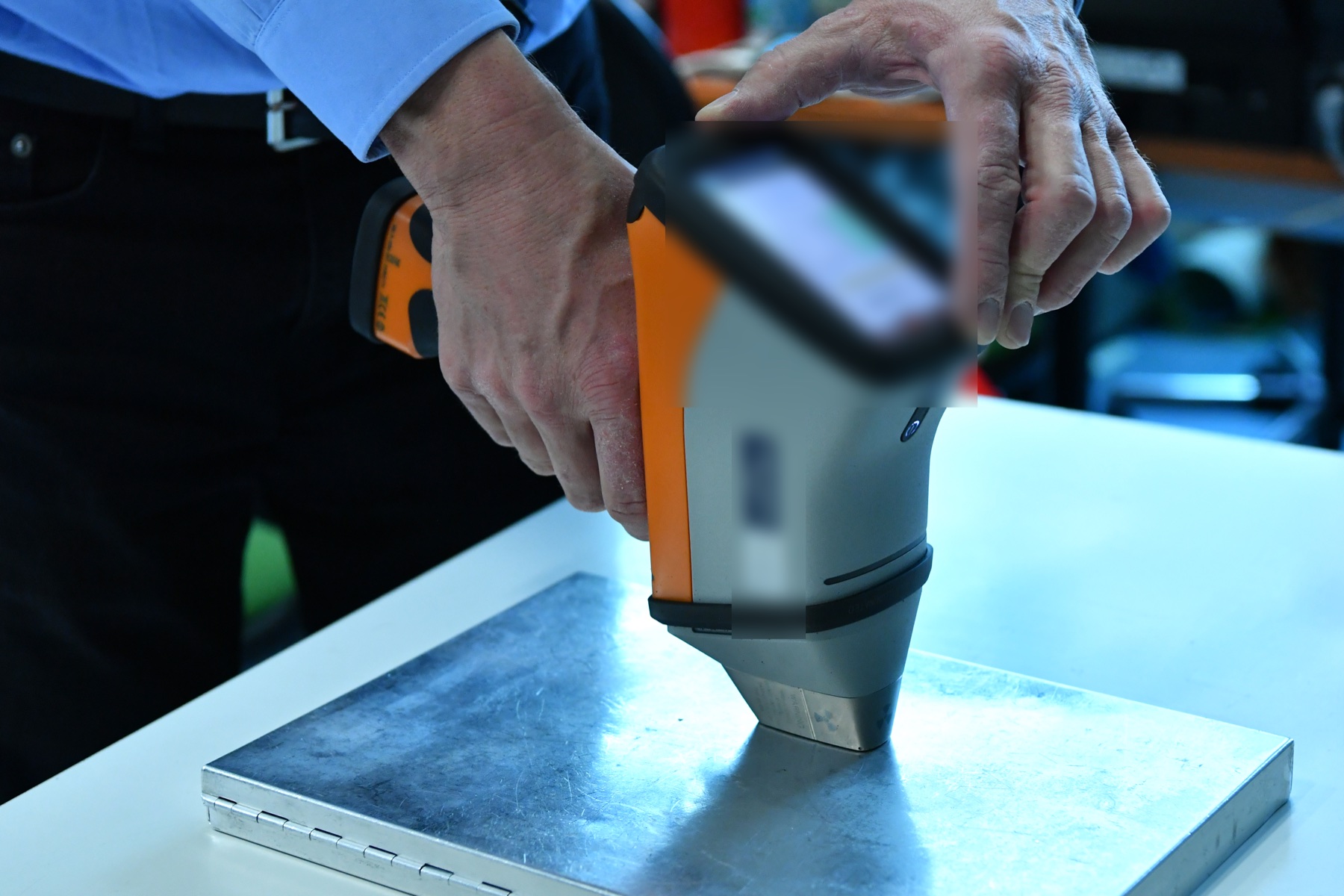
portable XRF PMI analyzer for material analysis
XRF / PMI

Portable XRF/PMI analyzers for material control

XRF/PMI analyzers support fast alloy identification and material verification, helping quality, production, maintenance and supply chain teams avoid material mix-ups.

  • Alloy identification and incoming material control.
  • Support for quality, production, maintenance and supply chain.
  • Application evaluation according to material, elements of interest and workflow.
Our products

Discover the products we distribute

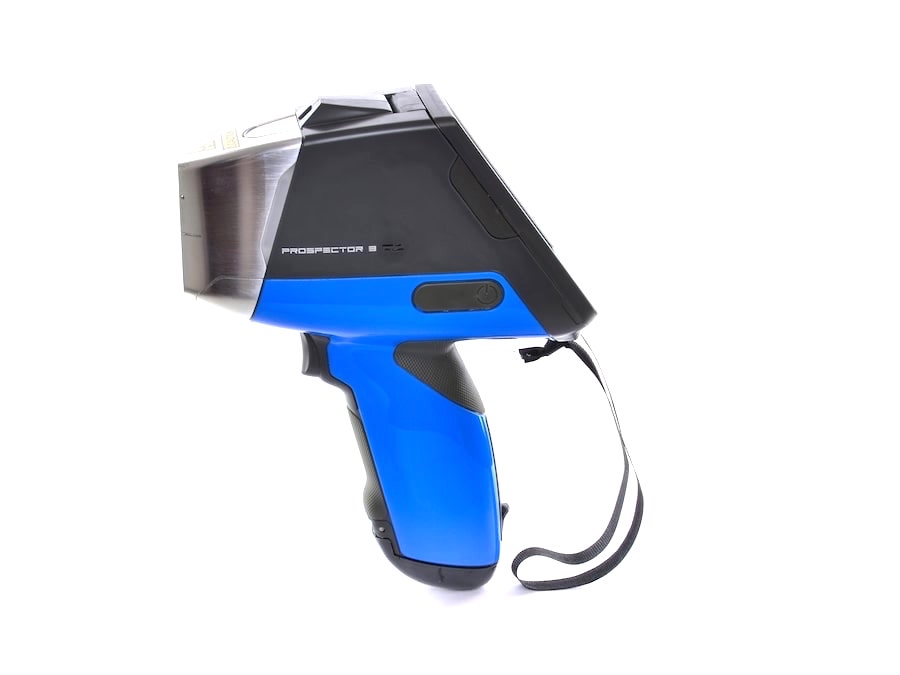
The XRF/PMI analyzers represented by PITECH for this technology.

Applications

Where this technology creates value.

MetalworkingOil & GasAerospaceAutomotiveFoundriesMetal recyclingSupplier controlProduction quality
PITECH approach

Application first, technology second.

PITECH supports XRF/PMI analyzer selection based on materials, elements of interest, operating environment, traceability requirements and operator skills.

Evaluation checklist

  • Component, material and geometry.
  • Inspection objective and critical issue to detect.
  • Quality workflow and required traceability level.
  • Productivity, operating environment and available skills.
  • Technical-commercial evaluation of the most suitable solution.
Technical criteria

How to choose a portable XRF analyzer.

A portable XRF or PMI analyzer is not chosen by model, but by application. These are the parameters PITECH uses to guide the most suitable configuration for your material control.

Elements and chemical range

Check that the analyzer covers the elements of interest (e.g. light alloys with Mg, Al, Si; steels with Cr, Ni, Mo; light elements require suitable detectors and excitation). Define in advance whether you need alloy identification or composition quantification.

Detector and speed

SDD (silicon drift detector) detectors provide short measurement times and good detection limits; active area and energy resolution affect speed and the ability to separate elements that are close in the spectrum.

Detection limits and matrices

Evaluate detection limits (LOD) for critical elements and their behaviour on real matrices (steel, aluminium, copper, superalloys). Non-flat samples, thin sections or coatings require attention to measurement geometry.

Alloy libraries and traceability

Preloaded, updatable grade libraries speed up identification; for quality you need user management, report export, photos and linking to the heat number or order for material traceability.

Environment and productivity

Incoming inspection, workshop, field or foundry impose different robustness, autonomy, thermal management and daily measurement volumes: expected productivity drives the configuration.

Radiation safety and training

XRF uses an X-ray source: operator safety, procedures, possible regulatory obligations and training must be considered. PITECH also supports this part of the project.

For a comparison with complementary material-control and defect-detection methods, see also industrial radiography, industrial ultrasonic testing (UT/PAUT/TOFD) and our NDT technical resources. Learn how to choose the instrument in the guide how to choose a portable XRF analyzer.

FAQ

Frequently asked questions on XRF and PMI

What is the difference between XRF and PMI?

XRF (X-ray fluorescence) is the measurement technique; PMI (Positive Material Identification) is the application that uses XRF to confirm that a material matches the required alloy or grade. In practice PMI is the control, the portable XRF is the instrument.

Which materials can a portable XRF analyzer test?

Metals and alloys: carbon and stainless steels, aluminium, copper and brasses, nickel and superalloys, titanium, precious metals. Light-element coverage depends on the instrument configuration.

Is XRF analysis non-destructive?

Yes. The measurement does not alter the component and requires no destructive sample preparation, so it suits incoming control, finished parts and in-service verification.

Is a licence or training required to use it?

The instrument uses an X-ray source, so safety procedures and, depending on the context, regulatory requirements apply. PITECH supports operator training and commissioning.

How do I request an evaluation from PITECH?

State the materials to control, elements of interest, objective (identification or quantification), environment and volumes. With this data PITECH guides the most suitable XRF/PMI configuration. Use the form below or WhatsApp.

Application support

Technical support, installation and training.

Beyond technology selection, PITECH supports the customer in defining the application project and coordinating the following steps with manufacturers and qualified partners.

Solution configuration

Technical requirements, accessories, software, workflow and documentation needed for the application.

Start-up and installation

Coordination of commissioning, initial trials and integration into the industrial process.

Operator training

Initial training, application support and connection with the manufacturer for service and spare parts.

Contact

Let’s identify the right technology for your application.

If you need to buy, evaluate, distribute or upgrade a solution for quality control, material analysis, robotics or automation, PITECH can help clarify the requirement, compare options and turn the choice into an industrial project.

Application request

Tell us about the industrial project to evaluate.

Send a request with the application, material, process, challenge or objective to be achieved.

WhatsApp