RVI • Videoscopy • Borescopy

Industrial videoscopy RVI for remote inspection and inaccessible areas.

Solutions for remote visual inspection, industrial videoscopy and borescopy: portable instruments, articulated probes, optics, lighting, image acquisition and reporting.

RVI / Videoscopy

Solution and application configuration.

A dedicated technology page focused on industrial application, selection criteria and PITECH technical-commercial support.

industrial RVI videoscope for remote visual inspection
RVI / Videoscopy

RVI systems, videoscopes, borescopes and accessories

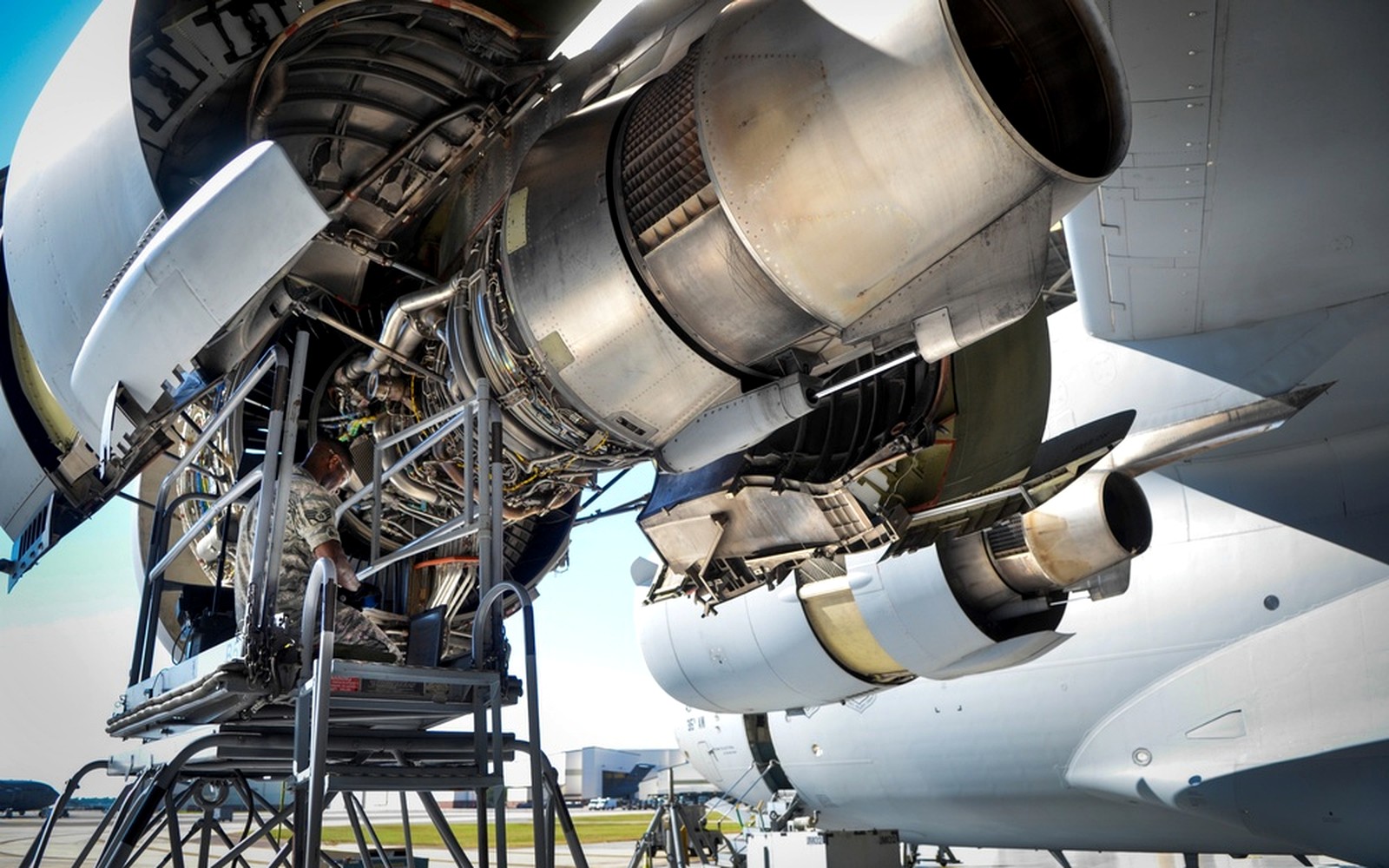
Industrial videoscopy enables inspection of cavities, ducts, turbines, engines, pipes and difficult-to-access areas without invasive disassembly, documenting inspection images and videos.

  • Portable videoscopes with flexible or articulated probes.
  • Accessories, optics, lighting and image-acquisition systems.
  • Support for maintenance, quality, service and asset integrity.
Our products

Discover the products we distribute

The RVI and industrial videoscopy solutions represented by PITECH for this technology.

Applications

Where this technology creates value.

TurbinesEnginesPipelinesInternal weldsInaccessible cavitiesAerospaceEnergyMaintenance
PITECH approach

Inspection first, then the RVI tool.

PITECH supports RVI system selection based on access diameter, probe length, articulation, lighting, operating environment and image/video recording requirements.

Evaluation checklist

  • Available access diameter.
  • Probe length and articulation.
  • Lighting and required image quality.
  • Photo/video recording and reporting.
  • Operating environment and required robustness.
Technical criteria

How to choose an industrial RVI videoscope.

A videoendoscope is chosen around access and inspection objective: diameter, length and articulation determine where it can reach, optics and lighting what you can see. Here are the parameters PITECH evaluates.

Probe diameter and access

The probe diameter must fit the access port or cavity: thin probes reach small openings, but a larger diameter can host better optics and lighting. It is the first constraint.

Working length

Insertion length determines how far the probe reaches: turbines, engines and long pipes require adequate working length without losing manoeuvrability.

Articulation

Articulation (2-way or 4-way) and bending angle let you orient the tip and inspect walls and lateral detail: essential in complex geometries.

Image quality and lighting

Sensor resolution, optics, depth of field and LED lighting power determine the ability to detect cracks, corrosion, deposits or fine damage.

Recording and reporting

Photos, video, measurement (stereo/comparative) and report generation support traceability and maintenance decisions: important for service and asset integrity.

Environment and robustness

Temperature, resistance to hydrocarbons and liquids, autonomy and field robustness determine the configuration: workshop, plant or field impose different requirements.

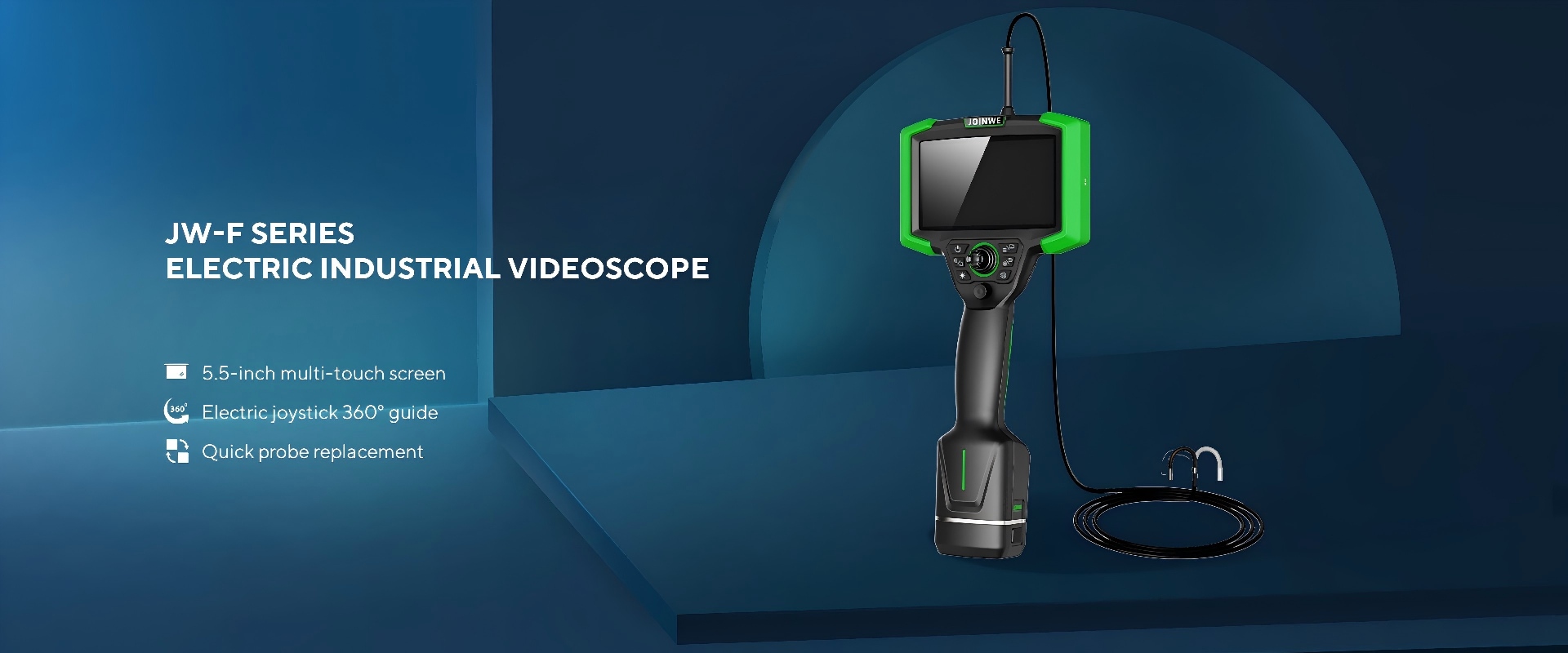
Products: discover the JOINWE industrial videoscopes (JW-F, JW-G, JW-T series) distributed by PITECH. Complementary technologies: industrial ultrasonic testing, industrial radiography and robotics for NDT inspection. See the technical resources and the guide how to choose the right industrial videoscope.

FAQ

Frequently asked questions on industrial RVI videoscopy

What does RVI mean?

RVI (Remote Visual Inspection) uses a videoscope or borescope to observe internal areas that are not directly accessible, without invasive disassembly.

What probe diameter do I need?

It depends on the access opening: the probe must fit the port or cavity. Thin probes reach small accesses; larger diameters offer better optics and lighting. It is chosen on the real access.

Can I record and measure defects?

Yes. Videoscopes capture photos and video and, depending on configuration, allow measurement (stereo or comparative) and report generation for traceability.

Which applications is it used for?

Turbines, engines, pipes, heat exchangers, internal welds, tanks and inaccessible cavities, in aerospace, energy, oil & gas and maintenance.

How do I request an evaluation?

State access/diameter, length to reach, what you need to inspect and the environment. PITECH guides the most suitable RVI system. Use the form below or WhatsApp.

Application support

Technical support, installation and training.

Beyond technology selection, PITECH supports the customer in defining the application project and coordinating the following steps with manufacturers and qualified partners.

Solution configuration

Technical requirements, accessories, software, workflow and documentation needed for the application.

Start-up and installation

Coordination of commissioning, initial trials and integration into the industrial process.

Operator training

Initial training, application support and connection with the manufacturer for service and spare parts.

Contact

Let’s identify the right technology for your application.

If you need to buy, evaluate, distribute or upgrade a solution for quality control, material analysis, robotics or automation, PITECH can help clarify the requirement, compare options and turn the choice into an industrial project.

Application request

Tell us about the industrial project to evaluate.

Send a request with the application, material, process, challenge or objective to be achieved.

WhatsApp